
Laser resurfacing: what does it involve and what can you expect?
Het Nieuwsblad, 20 August 2025
What is laser resurfacing, how long does recovery take and who is it suitable for? Dr Griet Voet explains in Het Nieuwsblad.
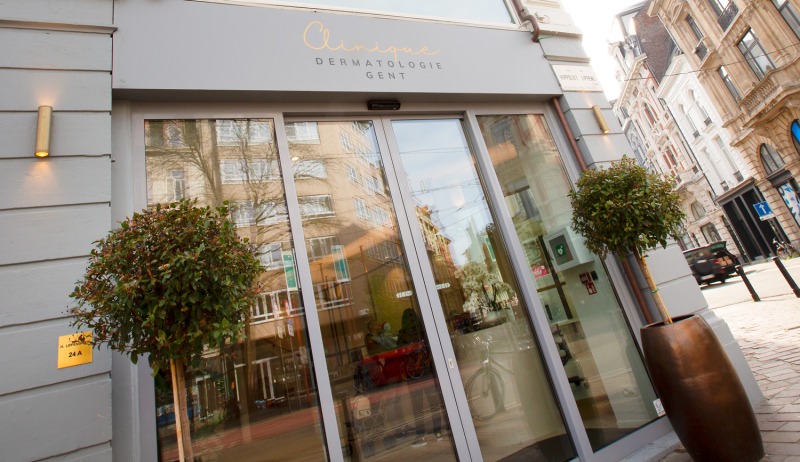
An editor at Het Nieuwsblad had laser resurfacing herself. Dr Griet Voet explains the treatment: a CO₂ laser renews the top layer of the skin, which stimulates the production of collagen and elastin and can reduce wrinkles, pigmentation and scars.
She explains the difference between ablative lasers, which are more powerful but require a recovery of a few weeks, and non-ablative lasers, which work more gently with only a few days of redness. For active acne, laser is not the right choice, but for acne scars it is.
Preparation and aftercare are important: avoiding sunlight, stopping retinol in good time and using a high protection factor afterwards. Not everyone is eligible, for example people with a dark skin type, during pregnancy or with an active skin infection.
Key advice
Stop using retinol a few days beforehand and avoid the sun.
After the treatment, avoid the sun for a few weeks and use SPF 50+.
Plan an ablative treatment for a period without social commitments.
For active acne, other treatments are more suitable.
“The result does depend on the type of laser and the condition of your skin.” — Dr Griet Voet
Want to know more? Read about CO2 or ablative laser at Clinique Dermatologie Gent.